
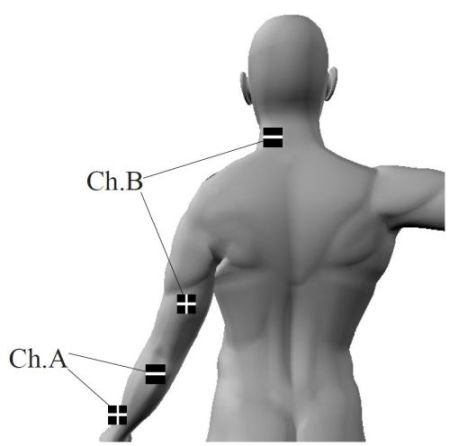
Electrodes Placement Manual

Electrode placement is a critical component in neuromuscular stimulation (NMS), electromyography (EMG) biofeedback, and EMG-triggered stimulation (ETS). Proper positioning of electrodes ensures effective muscle activation, accurate signal detection, and optimal therapeutic outcomes when used with NeuroTrac® rehabilitation devices.

Overview & Intended Use

The NeuroTrac® electrode placement manual is designed for use with stimulation and biofeedback devices where accurate muscle targeting is required. Correct electrode positioning supports efficient neuromuscular activation and improves treatment effectiveness across a wide range of rehabilitation and physiotherapy applications.

Electrodes are applied directly to the skin over targeted muscle groups. Placement varies depending on the muscle being treated and the type of therapy being performed, including NMS, EMG, or ETS.

Compatibility & Application

General Placement Guidelines

Electrode placement follows a consistent physiological principle:

  • The positive electrode (Red) should be placed on the motor point of the muscle, typically located at the centre of the muscle where the motor nerve enters.
  • The negative electrode (Black) should be positioned near the upper insertion or proximal portion of the muscle.
  • Optimal placement is achieved by slightly adjusting the electrode position to identify the point where maximum contraction occurs with minimal stimulation intensity.

This approach ensures efficient stimulation while maintaining patient comfort.

FAQs

Proper electrode placement ensures accurate muscle targeting, effective stimulation, and reliable signal acquisition during EMG and NMS procedures.
The positive electrode should be placed on the motor point of the muscle, while the negative electrode should be positioned near the muscle insertion for optimal current flow.
Slightly adjust the electrode position to identify the point where maximum muscle contraction occurs with minimal stimulation.
Yes, electrode size should match the muscle group and pulse width. Larger muscles require larger electrodes for effective stimulation.
Yes, improper placement can lead to weak contractions, discomfort, and reduced therapeutic effectiveness.