

NeuroTrac® Continence-ECS400A

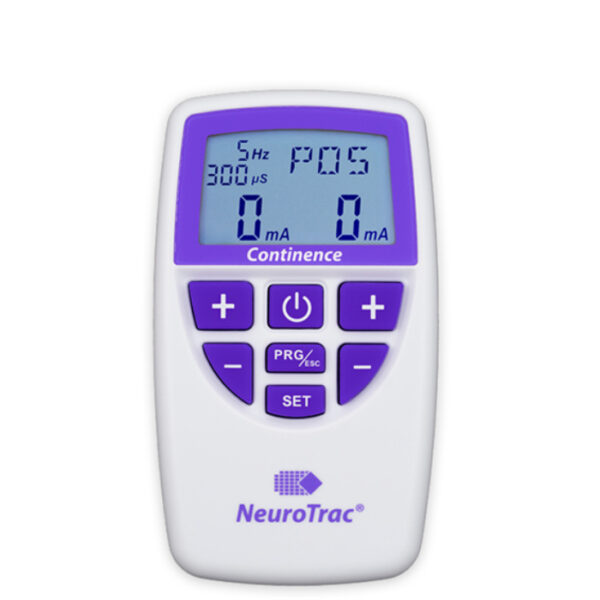
DUAL CHANNEL STIM DEVICE NeuroTrac® Continence is a dual channel STIM device designed for reducing pain, managing incontinence, and enhancing pelvic floor strength and endurance. When used under the guidance of a clinician or therapist, NeuroTrac® Continence delivers mild electrical stimulation that activates the muscles and produces contractions, helping provide targeted and effective relief.

Overview & Clinical Applications

NeuroTrac® Continence is a medical device used for symptomatic relief from pelvic pain, stress incontinence, and overactive bladder (urge incontinence). Additionally, it enhances pelvic floor muscle strength, endurance, vascularisation, and relaxation.

The NeuroTrac® Continence offers nine built-in programmes, including three customizable constant-mode options for personalised therapy. With two independently controlled channels, it supports vaginal or anal probes for managing urinary and faecal incontinence while ensuring consistent stimulation throughout treatment.

  • Digital Dual Channel Stimulator (NMES) used to treat urinary incontinence by sending a mild electric current to the pelvic floor muscles using a probe
  • Suitable for urinary or rectal incontinence
  • 9 Built-in programmes for ease of use
  • 3 Customisable constant mode programmes
  • Ability to lock the unit and record total time in use and average current.
  • Clear bright backlight LCD allows the display to be read more easily in low light or dark conditions
  • Keypad with bigger buttons for ease of use
  • Compact, light and reliable

Model number: ECS400A. This product is available through selected distributors who are able to provide training and support.

How the NeuroTrac® Continence-ECS400AWorks

NeuroTrac® Continence works by delivering neuromuscular electrical stimulation to muscle and nerve fibres through a dual-channel constant current system. The device generates asymmetrical, rectangular bi-phasic pulses with zero DC current. Clinicians can adjust stimulation parameters such as pulse width, pulse rate, ramp-up time, and treatment duration. It also allows control of work–rest cycles or continuous stimulation with synchronous or alternating output across two independently controlled channels.

Treatment programmes can be selected from built-in continence options (P01–P09) or customised programmes (PC1–PC4) that allow adjustment of pulse rate, pulse width, work and rest periods, and ramp times. The stimulation intensity ranges from 0–90 mA depending on electrode impedance. The device also features open-electrode detection that resets the output to zero if a disconnection occurs and includes a lock function that records usage and average intensity to monitor patient compliance.

Technical Specifications

  • Dual channel: individually isolated circuits.
  • Amplitude: 0 – 90 mA into 500 Ohm load; indication only. Actual mA will
  • tend to be less than indicated due to electrode impedance: at 1000 Ohms
  • load the maximum will be limited to 70 mA, at 1500 Ohms load the maximum will be limited to 65 mA.
  • Type: Constant current, maximum output voltage 180 V +10 / -30 V.
  • Waveform: Asymmetrical, rectangular bi-phasic with zero DC current.
  • Selectable pulse width: 50μs – 450μs [10% accuracy].
  • Pulse rate selection: in the continuous mode from 2 – 100 Hz [5% accuracy].
  • Time duration: Preset programmes have fi xed times (see the table on page
  • 12). In custom programme PC4 the timer can be set up to 12 h. 59 min.
  • In PC1-PC3 the max. time is 1h 30 min.
  • Ramp up time 0.1 – 9.9 seconds.
  • Battery: PP3 Alkaline, 9V. Expected average battery life [of standard 800
  • mAh, alkaline]: 32 h.
  • Low battery indication at 6.9 V (+/- 0.2 V), automatic shut off when voltage drops below 6.2 V (+/- 0.2 V). Replace the batteries immediately!
  • If the battery voltage is below 6.6 (+/- 0.2) volts the unit will not turn on.
  • Open Electrode Detect: If an open circuit is detected at the output of channel A or B the output current will be reset to zero.

Expected service life: 5 years. Careful use and maintenance extend the life of

the unit over the service life limit.

Environmental Conditions for use: +5 to +40 degrees Centigrade. 15-90%

Humidity. Atmospheric pressure: 700 hPa to 1 060 hPa.

Environmental conditions for storage & transport: -25 to +70 degrees

Centigrade. 15-90% Humidity. Atmospheric pressure: 700 hPa to 1 060 hPa.

Additional requirements for device use.

1 hour required to warm from the minimum storage temperature between uses

until it is ready for intended use.

1 hour required to cool from the maximum storage temperature between uses

until it is ready for intended use.

Physical dimensions: 119.2mm x 69mm x 28.7mm

Weight: 104 g without battery

Reviews

Electrodes Placement Manual
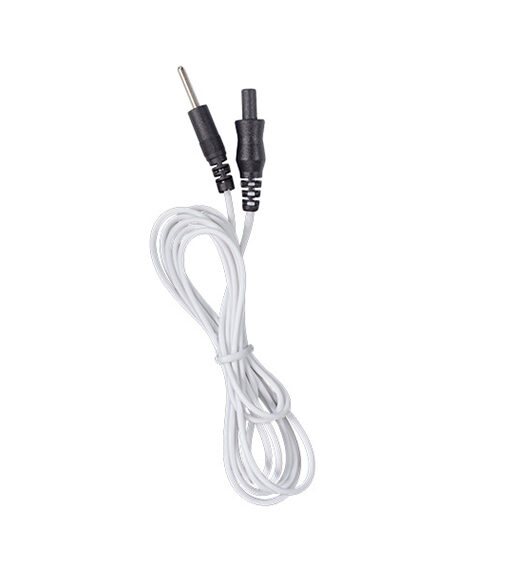
Reference(REF) Leadwire-LW102
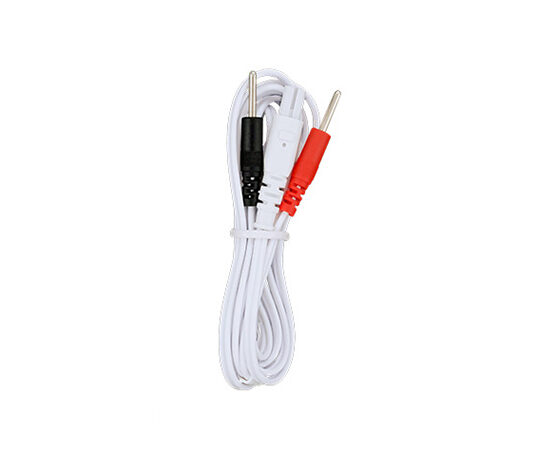
White Dual Conductor Leadwires-LW103
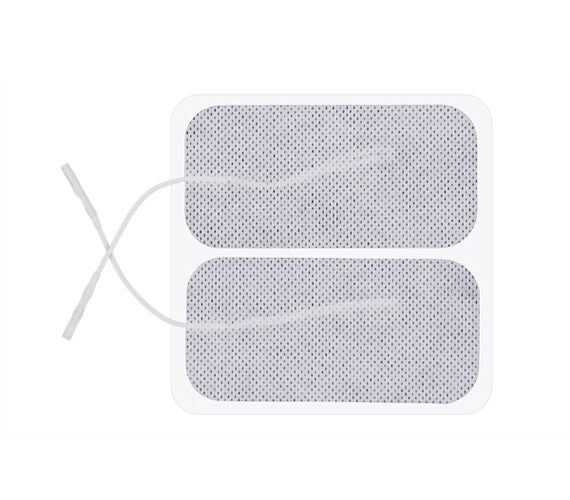
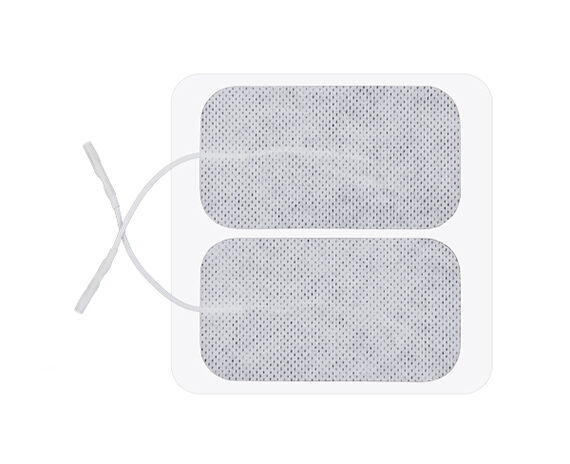
Skin Electrodes: 100 x 50 mm
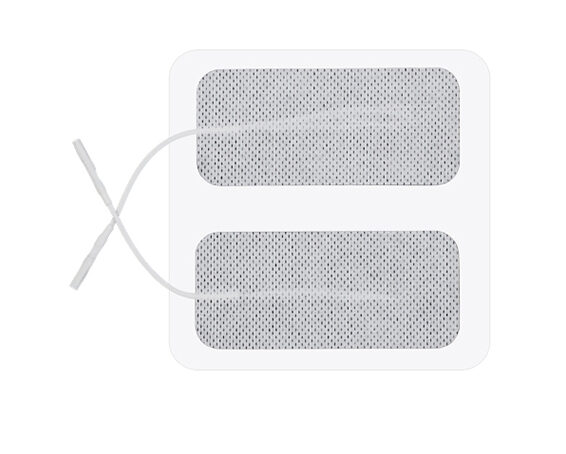
Skin Electrodes: 90 x 50 mm
Skin Electrodes: 90 x 40 mm
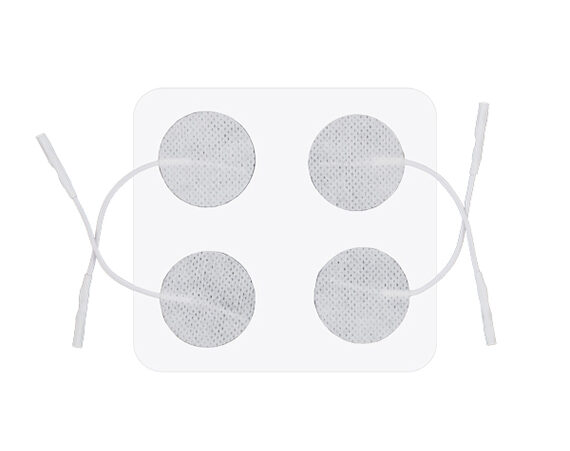
Skin Electrodes: Round 30 mm
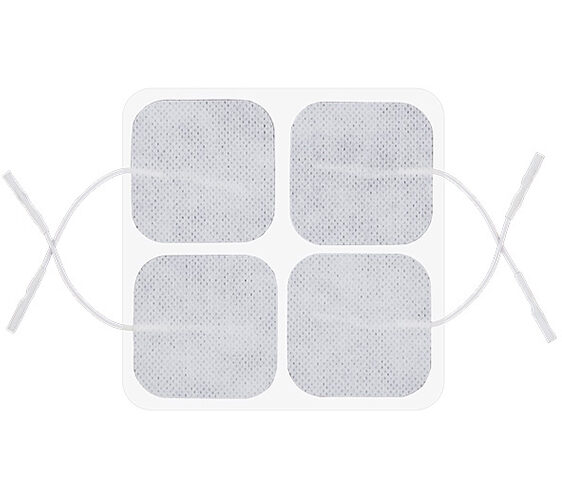
Skin electrodes: 50 x 50 mm
NeuroTrac® Sports-ECS401A
NeuroTrac® Sports XL-ETS201
NeuroTrac® PelviTone-ETS200

Related Articles

Best Practices for Electrode Placement in Therapy

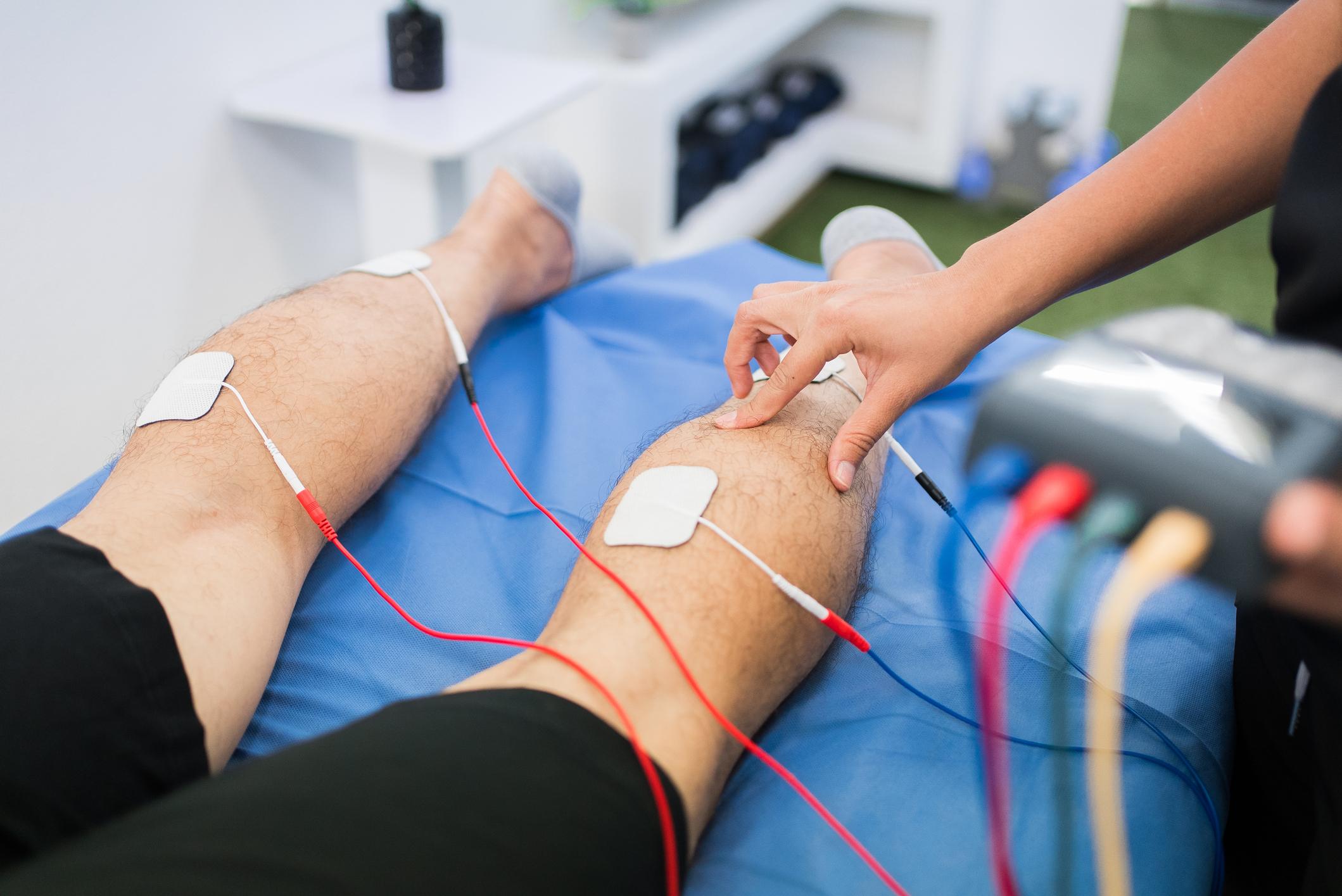
Correct electrode placement is critical to achieving optimal results in electrotherapy. Whether using TENS, EMS, or EMG devices, positioning the electrodes accurately ensures effective stimulation and patient comfort. Electrodes should be placed over targeted muscle groups or

Read More »

The Role of TENS Therapy in Pain Management

Transcutaneous Electrical Nerve Stimulation (TENS) is a non-invasive therapy widely used for managing both acute and chronic pain. It works by delivering low-voltage electrical impulses through the skin to stimulate nerves and reduce pain signals sent to

Read More »

Understanding EMG Biofeedback in Rehabilitation

Electromyography (EMG) biofeedback is an essential tool in modern rehabilitation, enabling clinicians to monitor and assess muscle activity in real time. By providing visual or auditory feedback, EMG helps patients better understand how their muscles are functioning

Read More »

FAQs

NeuroTrac® Continence is a dual-channel neuromuscular electrical stimulation (STIM) device designed to stimulate muscle and nerve fibres using controlled electrical signals. It delivers asymmetrical bi-phasic pulses with adjustable pulse rate, pulse width, ramp times, and treatment duration. The device is designed to provide precise stimulation for pelvic floor therapy through preset and customised programmes.
NeuroTrac® Continence device is indicated for the management of pelvic floor–related conditions such as stress incontinence, urge incontinence, and pelvic pain. It can also be used to improve pelvic floor strength, endurance, vascularisation, and relaxation. The stimulation programmes help activate pelvic muscles and support rehabilitation of the neuromuscular system.
The device should be used under the guidance of a clinician, physiotherapist, or doctor. Healthcare professionals may recommend it for clinical treatment or supervised home therapy. Patients can use the device at home as prescribed, but correct probe selection and electrode placement should be guided by a clinician.
The device should not be used by patients with demand-style cardiac pacemakers unless medically advised. It should also not be used during pregnancy or on undiagnosed pain or skin conditions without medical guidance. Only CE-approved vaginal probes, rectal probes, or skin electrodes should be used, and these accessories should be selected and applied under clinician supervision.
Partner with NeuroTrac®
NeuroTrac® devices are distributed globally through trusted medical suppliers and clinical partners.